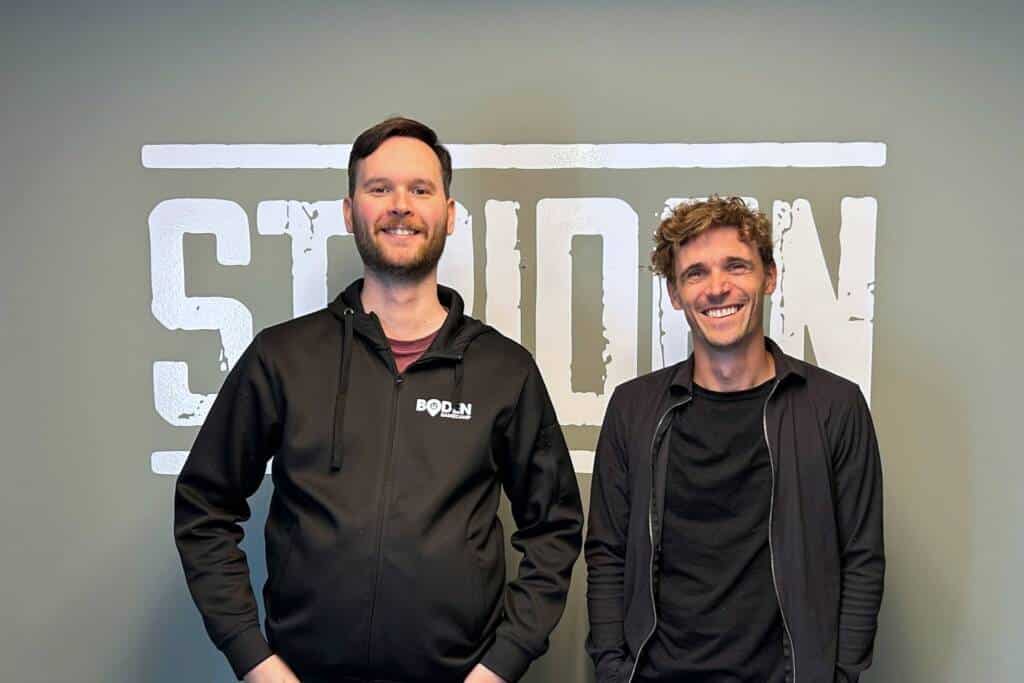
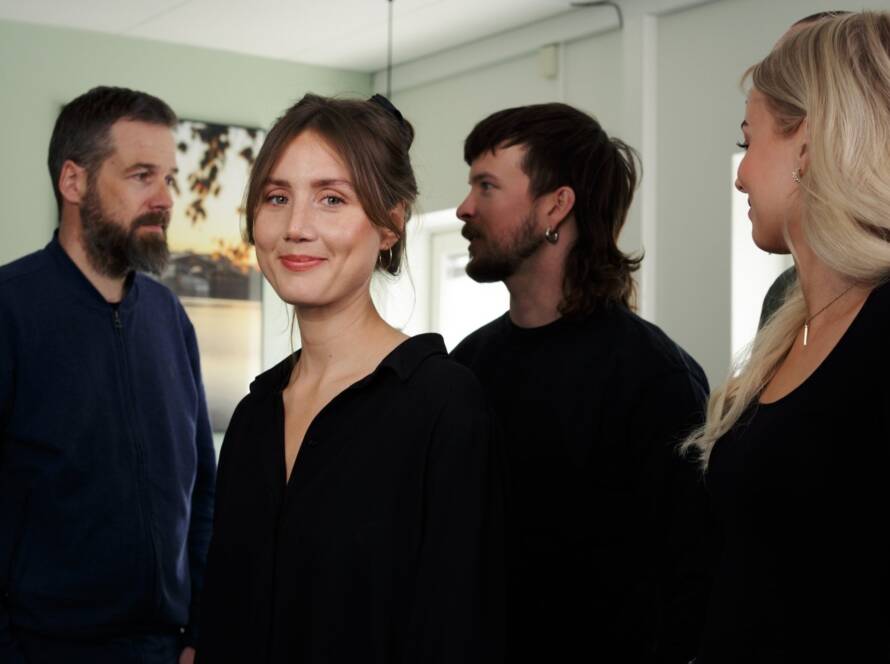
In an industry where the pace is fast and the workload is often even higher, the game studio 5 Fortress stands out. In just three years, they’ve gone from Boden to the global stage with their game Striden. When the trailer was shown at the PC Gaming Show—one of the world’s largest and most influential events for the gaming industry—it marked not only a breakthrough for the company but also for game development with a different philosophy. One that doesn’t compromise on the people behind the screen.
“We prioritized culture right from the start. It’s our framework and the way we interact with one another, whether there are two or twelve people on the team,” says Emil Darsbo, CEO of 5 Fortress.
It’s an unusual answer to a common question in the industry. How do you avoid burning out in the pursuit of the next big hit?
A spectacular debut with roots in Norrbotten
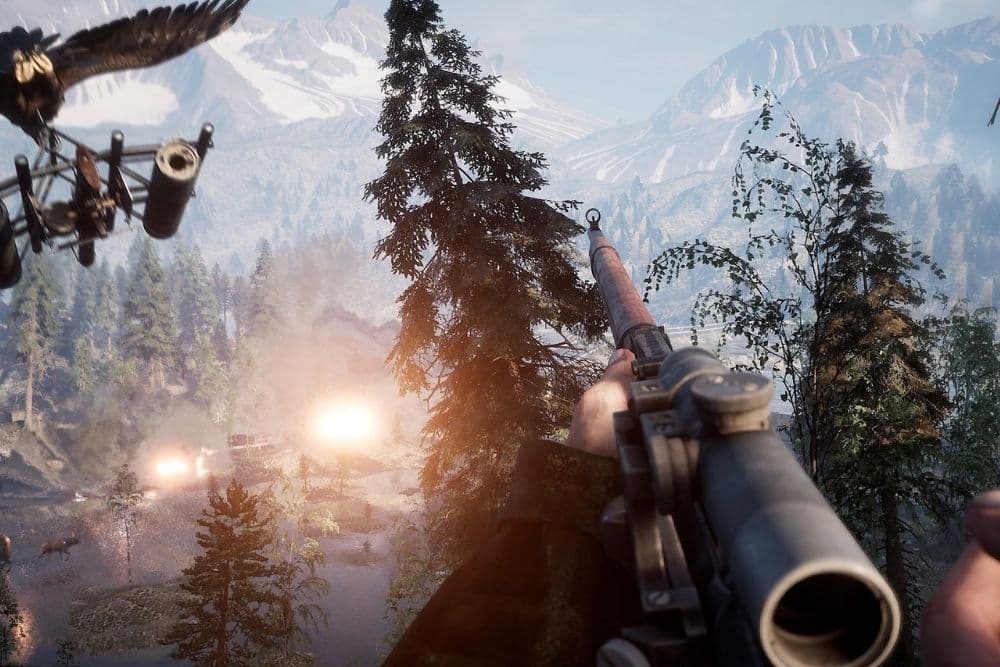
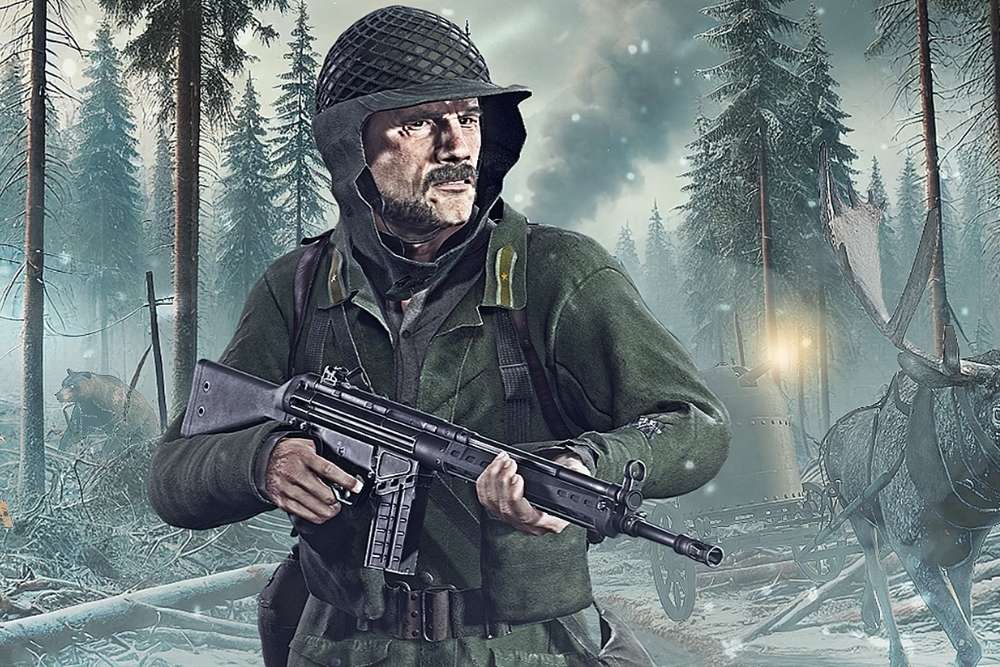
Striden is the first game developed in Norrbotten to be featured at the PC Gaming Show. The game is set in a post-apocalyptic Scandinavia following a nuclear war in the 1970s. Amid the gritty setting and gameplay reminiscent of Call of Duty, there are clear traces of Norrbotten.
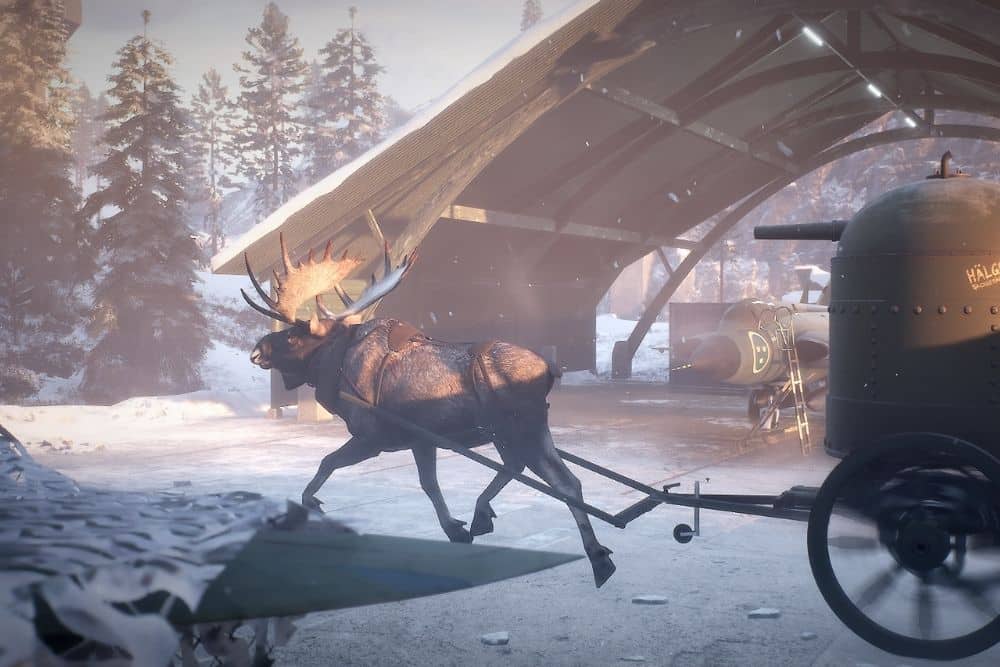
Handcrafted settings. References to local places. A story rooted in the familiar, yet presented in a way that resonates far beyond national borders.
“What we’ve accomplished with just six people would normally require 60 developers,” says Emil.
But he admits that the pace is not without its risks.
– It’s impossible to completely avoid stress. But we try to work smart, create efficient workflows, and establish routines that allow us to wrap up the day. The biggest threat arises when routines become too individualized; that increases the risk of overtime, poor communication, and unhealthy work practices.
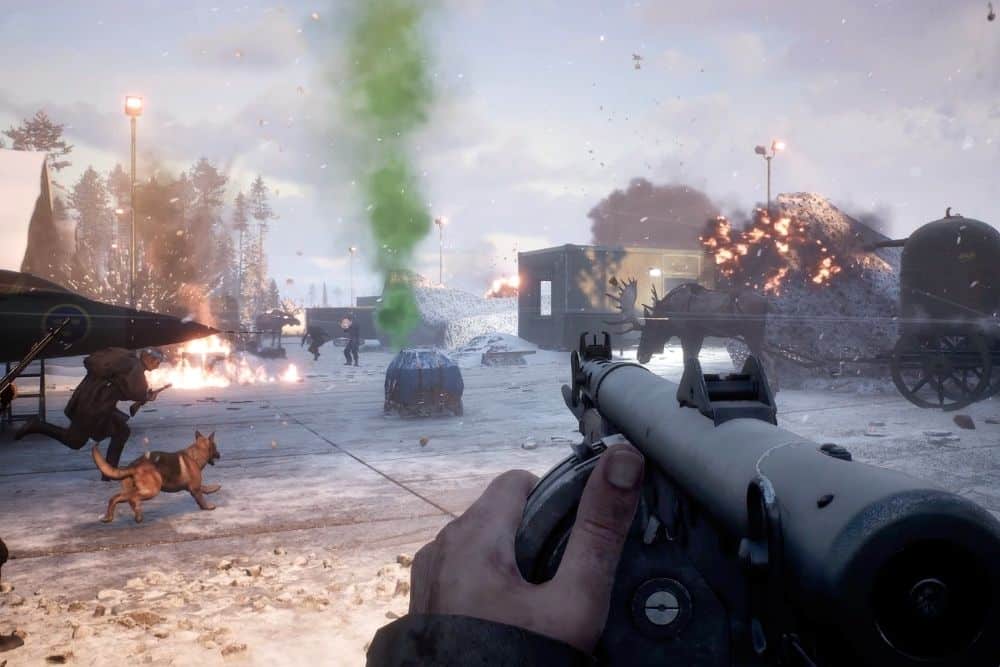
This is where 5 Fortress does something unique. Instead of romanticizing hard work, they set clear guidelines for the work environment. They actively work to ensure the team stays together, not just to meet deadlines.
Multi-role aircraft and human limits
One of the keys to their efficiency is their ability to wear multiple hats. Everyone on the team has a range of skills and can step in to cover for one another. Johan Sundkvist, co-founder and Creative Director, comes from the film industry and is used to working wonders with limited resources. This has shaped the company’s entire DNA.
“I handle sound, level design, environments, 3D, gameplay… well, pretty much everything. And so does everyone else. That makes us both fast and flexible,” says Johan.
"What we've accomplished with just six people would normally require 60 developers," says Emil.
But with such a fast pace, how do you keep track of how the team is doing?
“We use Hartic as a platform to monitor and improve our workplace environment. We’re always looking to learn and improve. The more we focus on our workplace environment, the better the results we see,” explains Emil.
A New Path for a Young Industry
The gaming industry is still relatively young, which Emil believes presents both opportunities and challenges. He sees a positive trend in the fact that more companies are beginning to take workplace issues seriously, but he emphasizes the importance of putting culture at the center from day one.
“There needs to be a clear set of core values from the start. If you can get that right, you’ve already won half the battle,” he says.
For 5 Fortress, this has been a winning strategy. Awards such as “Young Entrepreneur of the Year” at the Boden Business Awards and global recognition confirm that success is possible, even when you do things your own way.
A unique ecosystem in the north
Growing in Boden is no accident either. Boden Game Camp is home to an entire ecosystem for the video game industry. Here, studios, educational programs, and young talent from all over the world come together under one roof. For 5 Fortress, this has been crucial.
“We have the opportunity to meet and recruit the top talent thanks to our proximity to educational institutions. That’s worth its weight in gold,” says Johan.
In a global industry worth hundreds of billions of dollars, this small team from Norrbotten is proving that there are other paths to success—paths where workplace safety isn’t an afterthought but the very engine driving the operation.
“We want to keep growing, but never at the expense of the people on the team. They’re the ones who make all the difference,” Emil concludes.
Want to work sustainably in the gaming industry? 5 Fortress shows that it’s possible—with the right culture, the right structure, and the right mindset.